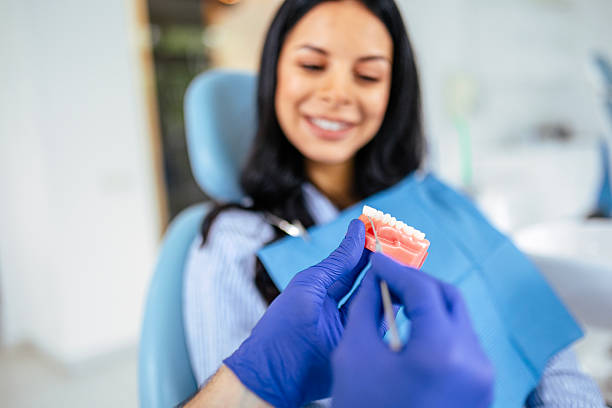
Are you thinking about getting dentures near you and wondering if they will feel comfortable? Choosing dentures is a big step toward improving your smile and daily comfort. At first, dentures may feel different, but with proper guidance, care, and a little patience, most people adjust well and enjoy the benefits they provide.
This guide explains what to expect, why dentures may feel uncomfortable in the beginning, and simple tips that can help you adjust faster and more confidently.
Understanding the First Few Days With Dentures
When you first receive dentures, your mouth needs time to adapt. Your gums, tongue, and cheeks are learning how to work with a new shape. This is normal.
Many patients working with a dentist in Markham are surprised to learn that mild soreness, extra saliva, or a feeling of fullness usually fades as the mouth adjusts. These early changes are part of the healing and learning process, not a sign that something is wrong.
What to Expect When You First Get Dentures
The first few weeks may not feel normal, but when you choose dentures in Markham, the relief of missing teeth is immense. Even though you’re fitted for dentures, they sit on soft gum tissue, which may be sore at first.
You may notice:
- Slight pressure or rubbing spots
- Changes in speech for a short time
- Minor difficulty while chewing
These issues usually improve as your mouth becomes more comfortable with the dentures.
Why Dentures Feel Uncomfortable at First
One common question patients ask is about why dentures feel uncomfortable at first. The main reason is that dentures rest on the gums instead of being anchored like natural teeth.
Your mouth is adjusting to:
- A new surface touching the gums
- Changes in bite pressure
- Learning how to hold dentures in place while talking and eating
With regular wear and follow-up care, discomfort often decreases quickly.
How Long Does It Take to Adjust to Dentures?
Adjustment time is different for everyone. Some people feel comfortable within a few weeks, while others may need a bit longer. Visiting a dentist near you for adjustments helps ensure the fit stays comfortable as your gums heal and settle.
Most patients notice clear improvement within the first month, especially when they follow care instructions closely.
Tips to Feel More Comfortable Faster
Adjusting to dentures is easier when you follow a few simple habits. These tips can make a big difference in comfort and confidence.
Helpful adjustment tips:
- Wear your dentures as advised to help your mouth adapt.
- Start with soft foods and chew slowly.
- Practice speaking by reading out loud.
- Rinse your mouth and dentures daily.
- Attend follow-up visits for small fit changes.
Consistency is key. Small daily efforts add up to long-term comfort.
Eating With Dentures: What Helps Most
Eating is one of the biggest adjustments for new denture wearers. Start slow and choose foods that are easy to chew.
Good early food choices include:
- Mashed vegetables
- Soft fruits
- Yogurt and soups
- Cooked rice or pasta
As confidence grows, you can slowly return to firmer foods. Over time, restoring your smile with dentures also helps restore normal eating habits.
Speaking Clearly With Dentures
It’s common to notice speech changes at first. Certain words may feel harder to say, but this improves with practice. Your tongue needs time to learn how to move around the dentures.
Helpful tips:
- Speak slowly at first.
- Repeat difficult words
- Practice in front of a mirror
Most people regain clear speech faster than they expect.
Caring for Dentures and Your Gums
Proper care helps prevent irritation and keeps dentures feeling comfortable. Dentures should be cleaned daily, just like natural teeth.
Daily care includes:
- Gently brushing dentures with a soft brush.
- Rinsing after meals
- Removing dentures at night if advised
- Cleaning your gums and tongue
Healthy gums play a big role in how comfortable dentures feel long-term.
When Adjustments Are Needed
Even well-made dentures may need small changes. Gums naturally change shape over time, which can affect how dentures fit. Soreness or slipping does not mean dentures failed—it often means a simple adjustment is needed.
Regular checkups ensure dentures continue to fit properly and comfortably.
Are Dentures a Long-Term Comfortable Solution?
Yes. With proper care and regular follow-ups, dentures can remain comfortable for many years. They help restore chewing, support facial shape, and improve confidence in daily life.
Most people who stick with the adjustment process find that dentures become a natural part of their routine.
Taking the Next Step Toward a Comfortable Smile!
You don’t need to adjust to dentures alone. At Markville Dental, they focus on your comfort and the proper fit and long-term effect of your dental treatment. If you need dentures or require assistance adjusting to a new set, schedule an appointment today for a healthier, more comfortable, and confident smile.
FAQs
Do dentures always feel uncomfortable?
No. Dentures may feel odd at first, but this feeling usually goes away. As your mouth gets used to them, they become more comfortable within a few weeks.
Can sore spots be fixed?
Yes. If your dentures cause sore or rubbing areas, a dentist can adjust them. Small changes can make them feel much more comfortable.
Will dentures fall out while talking?
No, properly fitted dentures are designed to stay in place during normal activities like talking and smiling. If movement happens, a simple adjustment can help improve stability.
Is it normal to produce more saliva?
Yes. Your mouth may produce extra saliva at first because it senses something new. This usually settles on its own as your mouth gets used to the dentures.