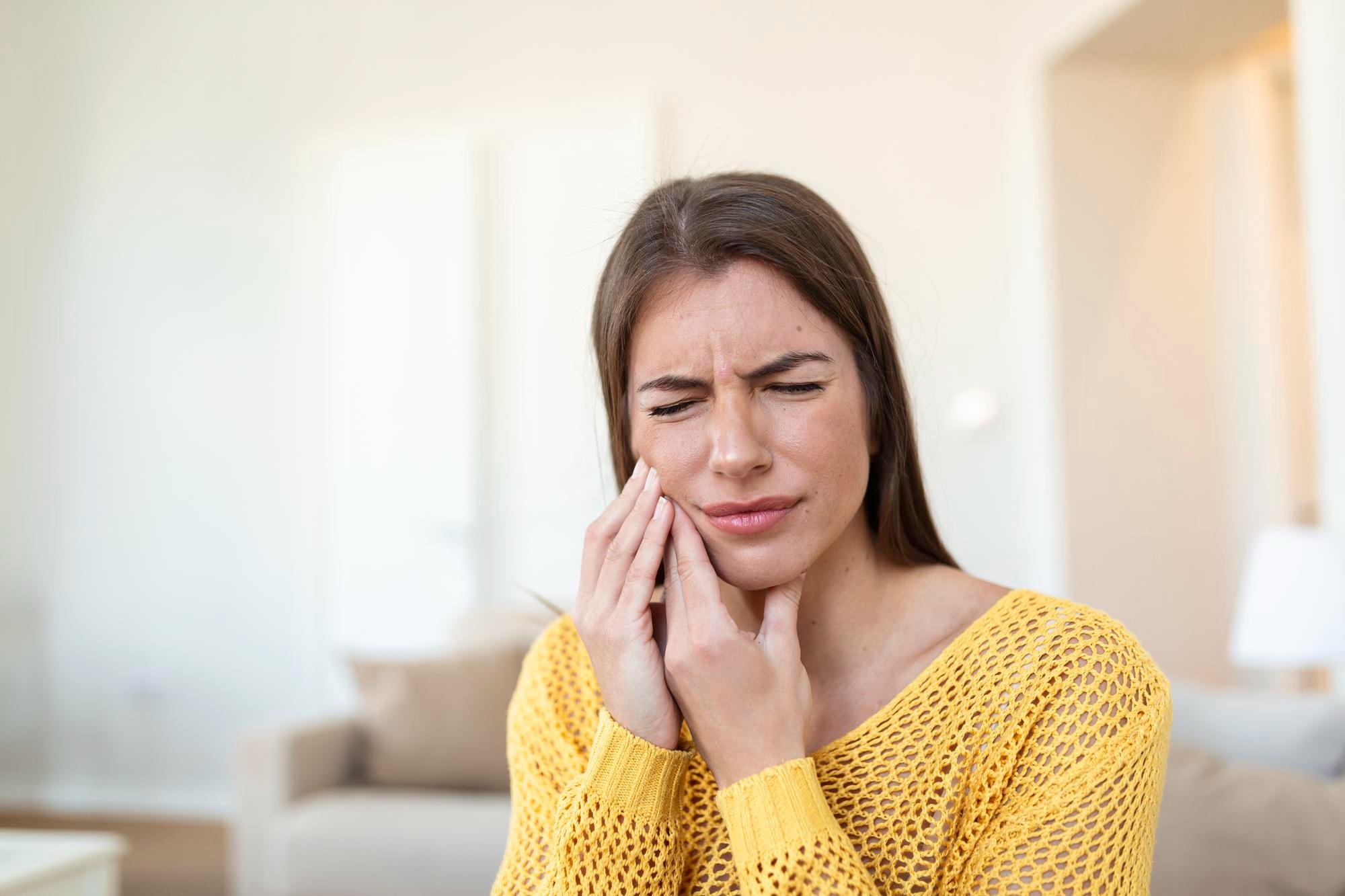
Your jaw joint is one of the busiest parts of your body. It moves every time you talk, eat, or even breathe.
When this joint gets stressed or moves out of its right spot, it can cause pain all over your head and neck. Understanding how your jaw is linked to the rest of your body is the first step to feeling better.
Many people live with headaches or ear pain for years without knowing the problem is actually their jaw. Fixing these issues early can protect your health and help you feel like yourself again.
How TMJ Affects Overall Health
A jaw problem does more than just make a clicking sound. Because your jaw is connected to many nerves and muscles, a problem here can cause pain in places you wouldn’t expect.
- Bad Headaches: Jaw tension often feels like a tight band around your head or a bad migraine.
- Neck and Shoulder Pain: When your jaw is tight, your neck muscles have to work too hard, which makes your shoulders feel stiff.
- Ringing in Ears: The jaw joint is very close to your ears, so that inflammation can cause a buzzing or ringing sound.
- Dizziness: If the joint is very swollen, it can mess with your balance and make you feel lightheaded.
If you are looking for TMJ treatment near you, it is important to find a team that looks at all these symptoms to give you a full plan to get well.
How TMJ Affects Sleep And Breathing
There is a big link between where your jaw sits and how well you breathe while you sleep. If your jaw sits too far back, it can make your airway smaller, which makes it hard to get enough air.
- Sleep Problems: A jaw that isn’t lined up right can lead to sleep apnea, where you stop and start breathing at night.
- Teeth Grinding: Many people grind their teeth because their body is trying to move the jaw to open up the airway.
- Feeling Tired: Even if you sleep all night, jaw tension can stop you from getting the deep rest your brain needs.
- Snoring: A narrow airway often causes loud snoring that can wake up you or your partner.
Getting TMJ treatment in Markham can help you find a special mouth guard that holds your jaw forward. This opens your airway so you can breathe and sleep much better.
How TMJ Affects Chewing And Speaking
Your jaw is the “engine” that lets you eat and talk. When this engine isn’t working right, daily life gets much harder.
- Trouble Opening Wide: You might find it hard to open your mouth for a big sandwich or a healthy apple.
- Jaw Locking: Your jaw might get “stuck” open or closed, which can be very scary.
- Speech Changes: When your facial muscles are tired, it can be hard to talk for a long time or pronounce some words.
- Eating Habits: People with jaw pain often stop eating healthy, crunchy veggies because they are too hard to chew.
Visiting a dental clinic in Markham will let an expert check your bite. Often, a small change can make eating and talking easy again.
Knowing The Signs Of Jaw Trouble
It helps to know what to look for so you can get help before the pain gets worse.
| What you feel | Why it happens |
| Clicking or Popping | The small cushion in your joint is slipping out of place |
| Sharp Pain | Your joint is swollen or your muscles are tight |
| Zigzag Opening | One side of your jaw is tighter than the other |
| Fullness in Ears | Pressure from the jaw is pushing on the ear area |
Why Stress Makes Jaw Pain Worse
Stress is a huge reason why jaw problems get worse. When we are worried, we often clench our teeth without even knowing it.
This puts a lot of pressure on the joint and wears down your teeth. It also makes your facial muscles feel very tired and sore.
Learning how to relax your jaw during the day is a big part of feeling better. Simple things like sitting up straight and doing easy jaw stretches can help lower your pain every day.
Using A Night Guard To Feel Better
For many people, a custom night guard is the best fix. Unlike the ones you buy at a store, a professional guard is made just for your teeth to take the pressure off your joint.
It keeps your jaw in a relaxed spot while you sleep, which stops your muscles from tensing up all night.
Most people notice that their morning headaches and stiff jaw start to go away after just a few nights of wearing their new guard.
Get Back to Feeling Great Every Day
Living with jaw pain is hard, but you don’t have to do it alone. At Markville Dental, we are here to find out why your jaw hurts and give you easy, kind care.
Our team knows how much your jaw health affects your whole life. You deserve to eat, talk, and sleep without pain.
Call us right now to book your visit, reach out today and let us help you get started!
Frequently Asked Questions
Will my jaw pain go away on its own?
Sometimes a little soreness from stress will get better with rest and soft foods. But if your jaw is clicking or locking all the time, it usually means you need a professional to look at it so it doesn’t get worse.
Do I need surgery to fix my jaw?
No, you don’t need any surgery to fix the jaw. Most people feel better with simple things like mouth guards, exercises, or small bite fixes. Surgery is only a last resort if the bone or the joint cushion is really damaged.
Can kids have jaw problems?
Yes, kids can have these issues too, often from an uneven bite or habits like thumb sucking. It is a good idea to have a professional check a child’s jaw if they say it hurts or if it clicks when they eat.
How long until I feel better?
Most people start to feel less pain in a week or two after they start using a night guard or doing stretches. It can take a few months for all the swelling to go away and for your muscles to relax fully.