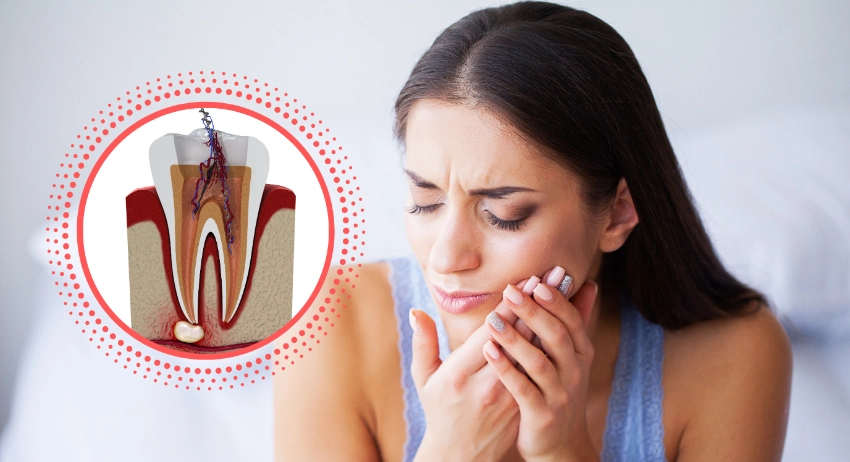
A root canal can help keep a tooth that has been affected by deep decay, infection, or inflammation. Finishing the treatment is only one part of caring for the tooth. For a short time afterward, the treated area may feel tender or different, especially when chewing. After root canal treatment in Markham, mild soreness may occur as the surrounding tissues settle. Recovery can vary depending on the condition of the tooth and the type of care provided.
Knowing what is normal, eating carefully, keeping the area clean, and following the recommended aftercare can make the recovery period easier and help identify concerns that may need dental attention.
What Can You Expect Right After Root Canal Treatment?
After root canal treatment near you, the treated tooth may feel tender, especially when chewing. The area around the tooth can also feel slightly sore once the freezing wears off.
This discomfort is usually temporary and may get better over the next few days. Take any recommended medicine as directed, and avoid putting extra pressure on the treated tooth while it feels sensitive.
What Should You Eat After Treatment?
Choosing softer foods can make the first few days more comfortable. Try foods that require less chewing and avoid placing strong pressure on the treated tooth.
Helpful choices may include:
- Soft eggs
- Yogurt
- Mashed potatoes
- Pasta
- Oatmeal
- Soft-cooked vegetables
- Smooth soups
Avoid very hard, sticky, or crunchy foods until the tooth is ready for normal chewing.
How Should You Care for the Treated Tooth?
A Markham dentist may tell you to keep brushing and flossing as usual unless they give you different instructions. Gently clean the treated area, especially if the gum feels sore.
Good daily care can help keep the treated tooth, nearby teeth, and gums healthy. Regular dental visits can also help your dentist check the treated tooth and the rest of your mouth.
Why Might the Tooth Feel Different During Recovery?
It is common for a treated tooth to feel slightly different for a short period. The surrounding tissues may remain sensitive after treatment, particularly when the tooth is touched or used for chewing.
The bite can also feel unusual if the treated tooth seems to contact the opposite tooth sooner than before. If the tooth feels too high when biting or the discomfort does not improve, contact a dental professional for an assessment.
When Should You Contact a Dentist?
Recovery is not the same for everyone. Some soreness can be expected, but certain changes should not be ignored.
Contact a dentist in Markham if you notice:
- Pain that becomes stronger instead of improving
- Increasing swelling around the tooth or face
- A return of severe tooth pain
- A bite that feels noticeably uneven
- Signs of infection or a fever
- A temporary filling or restoration that becomes loose or falls out
Prompt attention can help identify the cause and prevent the problem from becoming more difficult to manage.
How Long Does Root Canal Recovery Take?
For many patients, the initial soreness improves within a few days. The exact recovery time depends on the tooth, the infection or inflammation present, and the treatment provided.
A tooth may still need protection after the root canal has been completed. If a crown or another restoration is recommended, completing that treatment as advised can help protect the remaining tooth structure from damage.
What Should You Avoid During Recovery?
A few simple changes can reduce stress on the treated tooth as it heals.
For the first few days, consider avoiding:
- Biting hard foods with the treated tooth
- Chewing ice or other very hard items
- Sticky foods that may pull on a temporary restoration
- Ignoring pain that continues or gets worse
- Delaying recommended follow-up care
If you are looking for a dentist near you, an assessment can help determine whether your recovery is progressing as expected.
Take Care of Your Tooth After Treatment!
Proper care after root canal treatment can help the treated tooth settle and remain comfortable. If pain, swelling, or changes in your bite persist, a dental checkup can help identify the cause and determine whether further care is needed.
Book an appointment with Markville Dental to have any ongoing concerns evaluated, discuss your recovery, and receive personalised guidance on caring for your treated tooth.
FAQs
Can you brush your teeth after a root canal?
Yes. Brushing can usually continue as normal, but the treated area should be cleaned gently if it feels tender. Follow any specific instructions provided after treatment.
Can you drive home after a root canal?
This depends on the type of freezing or sedation used. If sedation has been given, driving may not be safe until its effects have fully worn off and the recommended precautions have been followed.
Is mild sensitivity to hot or cold normal after a root canal?
The treated tooth should no longer have its original nerve response, but nearby teeth or tissues can sometimes cause sensations that feel similar. Persistent or unusual sensitivity should be checked.
Can a root canal fail after treatment?
A treated tooth can sometimes develop problems again. New decay, a damaged restoration, or unresolved issues can contribute to further treatment needs.