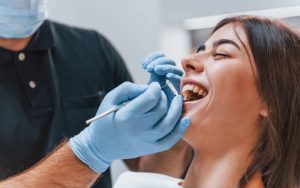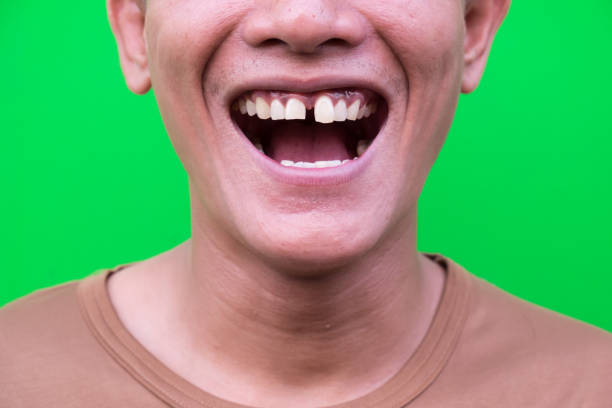
What is the consequence of having missing teeth in a mouth? When you have a missing tooth, it isn’t just a gap in your smile. Over the years, missing teeth can affect your ability to chew food, speak clearly, and even change the shape of your face. If you don’t replace a tooth, the nearby teeth will slowly move into the space. This can affect your bite and cause an imbalance. If left for a long time, these small changes may turn into bigger dental problems. In such cases, there are different options to replace missing teeth depending on your oral health and needs.
A healthy smile depends on strong teeth working together. When one is missing, the pressure is no longer evenly spread, which can create discomfort and long-term damage.
Why Regular Dental Checkups Are Important for Missing Teeth
Regular visits to a dentist in Markham help find early changes caused by missing teeth before they become serious problems. When a tooth is missing, the mouth slowly adjusts on its own, which can lead to teeth shifting, an uneven bite, and extra pressure on the gums.
Benefits of getting checkups early:
- Detecting gum issues early.
- The health of the bone under the missing teeth is checked.
- Preventing the movement of adjacent teeth.
- Planning for treatment before problems worsen.
Getting your dental issues checked and treated during your dental appointments can save you from bigger problems in the future.
Long-Term Solutions for Replacing Missing Teeth
One of the best ways to replace missing teeth is with dental implants in Markham. These are artificial tooth roots placed in the jaw. They hold the new tooth firmly in place and help the mouth work normally again.
They help your oral health by:
- Keeping your jawbone strong and active
- Preventing nearby teeth from moving
- Helping you chew food properly
- Maintaining the natural shape of your face
Unlike temporary options, dental implants are made to last long and keep your mouth stable.
Effects of Missing Teeth on Oral Health and Jawbone
The effects of missing teeth on oral health and the jawbone happen slowly, but they can become serious over time. When a tooth root is missing, the jawbone in that area does not get enough pressure from chewing, so it slowly becomes weaker.
Common effects include:
- Shrinking of the jawbone where the tooth is missing
- Nearby teeth are moving into the space.
- Uneven bite that can cause jaw pain or strain
- Food getting stuck, which increases the risk of decay
- Changes in facial appearance over time
These changes do not happen quickly, but over time, they can affect comfort, chewing, and appearance.
Can Missing Teeth Lead to Gum Disease?
Yes, missing teeth can lead to gum disease. Gaps in the mouth are harder to clean properly, so food and bacteria can build up in those spaces and increase the chance of infection.
If not treated, gum problems can cause:
- Swollen or bleeding gums
- Bad breath that does not go away
- Weaker support for nearby teeth
- Higher risk of losing more teeth
Good brushing, cleaning, and replacing missing teeth on time can greatly reduce these problems.
What are the Options to Replace Missing Teeth
There are different types of treatment for missing teeth. Your oral health, how many teeth you are missing and your needs will affect your choice.
Common options include:
- Dental implants
- Dental bridges
- Partial dentures
- Full dentures
Each option works differently:
- Implants replace the tooth and root and give long-lasting support.
- Bridges fill the gap using nearby teeth for support.
- Dentures replace many teeth and can be removed.
The best option is chosen after a dental checkup and depends on your long-term oral health needs.
Why Missing Teeth Should Not Be Ignored
Leaving gaps in the mouth untreated can lead to a chain reaction of dental issues. One missing tooth can slowly affect surrounding teeth, jawbone strength, and bite alignment.
Timely intervention is beneficial.
- Have proper chewing capacity.
- Preserve other teeth.
- Maintain bone structure
- Stops any shifting or spacing issues.
This is why prompt treatment is always recommended after tooth loss.
Finding Dental Solutions Nearby
When you experience discomfort or notice gaps in your smile, you may start looking for a dentist near you. A local dental clinic can help you understand what is happening in your mouth and what treatment you may need.
Early consultation ensures problems are managed before they become more complex or costly.
Restore Your Smile with the Right Dental Care!
If missing teeth are not treated, they can slowly affect your jaw strength, gum health, and the balance of your smile. Getting help early can stop these problems and keep your mouth healthy and strong.
At Markville Dental, they provide personalized care and long-lasting options to replace teeth to improve how your teeth work, along with how they look. Contact today and schedule an appointment for your first visit to rebuild a healthy, confident smile!
FAQs
What happens if a missing tooth is not replaced?
Nearby teeth may slowly shift into the space, the jawbone can weaken over time, and bite problems may develop.
Is bone loss common after losing a tooth?
Yes. When a tooth root is missing, the jawbone slowly becomes weaker and shrinks because it is not being used.
Can one missing tooth affect overall oral health?
Yes. Even one missing tooth can affect how your teeth line up, how you chew, and your gum health over time.
What is the most stable way to replace teeth?
Dental implants are often the best long-term option because they support both the new tooth and the jawbone.